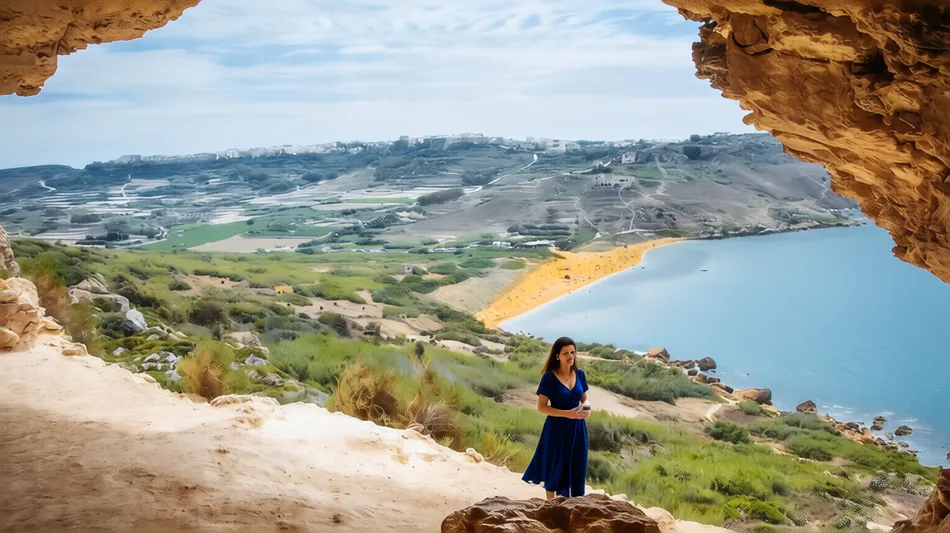
Gozo Tourism Association Warns New Licence Fees Threaten Competitiveness

 London
 5 °C

 Manchester
4 °C
 Glasgow
 -2 °C
 Dublin
 1 °C
 Belfast
3 °C
 Washington
9 °C
 Denver
16 °C
 Atlanta
 10 °C
 Dallas
 20 °C
 Houston Texas
17 °C
 New Orleans
 13 °C
 El Paso
18 °C
 Phoenix
25 °C
 Los Angeles
28 °C
San Diego
27 °C
San Francisco
18 °C
Chicago
8 °C
Minneapolis
6 °C
Seattle
10 °C
Portland
 10 °C
Salt Lake City
13 °C
Las Vegas
21 °C
Miami
23 °C
Jacksonville
16 °C
San Antonio
20 °C
Bermuda
25 °C
Nassau
 9 °C
Iqaluit
 -20 °C
Yellowknife
-9 °C
Anchorage
-2 °C
Fairbanks
-13 °C
Barrow
-7 °C
Calgary
8 °C
Edmonton
4 °C
Winnipeg
8 °C
Goose Bay
3 °C
Halifax
13 °C
Boston
13 °C
Ottawa
4 °C
Toronto
4 °C
Detroit
 4 °C
Cleveland
4 °C
New York
9 °C
Baltimore
9 °C
Philadelphia
9 °C
Nuuk (Godthåb)
-7 °C
Hong Kong
20 °C
Singapore
28 °C
Melbourne
21 °C
Canberra
20 °C
Adelaide
18 °C
Darwin
26 °C
Perth
15 °C
Fort Worth
21 °C
Honolulu
24 °C
Sydney
22 °C
Johannesburg
19 °C
Dubai
 25 °C
Mumbai
26 °C
Zürich
1 °C
Tokyo
 10 °C
Seoul
7 °C
Delhi
15 °C
Beijing
3 °C
Riyadh
18 °C
Prague
-1 °C
Pennsylvania
7 °C
Valletta
16 °C
Manama
25 °C
Warsaw
-2 °C
Stockholm
-2 °C
The Gozo Tourism Association (GTA) has formally objected to new tourism establishment licence fees set to take effect on January 1, 2027. The association warns that the increased costs, introduced without prior stakeholder consultation, could severely undermine the competitiveness of Gozo’s tourism sector amid already rising operational expenses.
The Gozo Tourism Association (GTA) has lodged a formal objection to revised tourism establishment licence fees scheduled to come into force on January 1, 2027. The industry body warns that the proposed increases could further strain the island’s tourism sector and erode its competitive position.
Published recently, the new fee structure follows closely on the substantial hike in the eco-contribution announced in Budget 2027. The GTA described this latest development as a significant blow to an industry that serves as one of Gozo’s primary economic pillars and a major source of employment and investment.
A central point of contention for the association is the lack of prior consultation with industry stakeholders. Despite the direct impact these fees will have on tourism businesses across the island, the GTA noted that operators were not engaged in the decision-making process before the measures were finalized.
Tourism operators are currently navigating a complex financial landscape characterized by rising labour and supply costs. Additionally, businesses face new financial obligations linked to the employment of non-EU workers. The GTA warned that the revised licence fees would compound these existing pressures, creating a cumulative effect that could weaken Gozo’s tourism competitiveness.
The association highlighted that small and family-run enterprises, which form the backbone of the sector, are particularly vulnerable to such financial burdens. While visitor numbers have continued to grow, tourism in Gozo remains seasonal and heavily dependent on maintaining a strong value-for-money offering. Businesses must also contend with higher transport costs, limited economies of scale, and the difficulties associated with sustaining operations throughout the year.
Tourism acts as a driving force for Gozo’s economy, supporting a wide range of related businesses including accommodation establishments, restaurants, transport operators, visitor attractions, diving centres, and retail outlets. The GTA cautioned that any measure weakening the sector’s competitiveness would have wider implications for employment, investment, and economic activity across the island.
In light of these concerns, the association is calling on the government to reconsider the revised fee structure and engage in meaningful consultation with industry stakeholders before implementing measures that directly affect tourism operators. Rather than introducing additional financial burdens, the GTA believes policy efforts should focus on strengthening Gozo’s competitiveness, improving connectivity, supporting tourism investment, and addressing structural challenges facing the industry.
The association emphasized that the tourism sector has consistently demonstrated its resilience and contribution to Gozo’s economy. It argued that the industry requires support, stability, and a clear vision for sustainable growth. The GTA warned that a succession of measures increasing costs and weakening competitiveness could place the sector under further pressure at a time when businesses are already facing significant challenges.
G. Santana--JDB