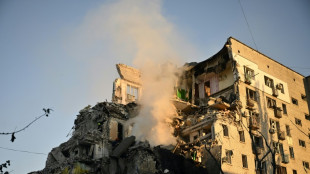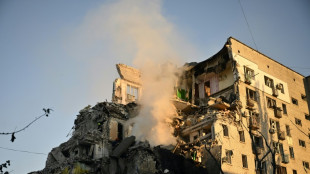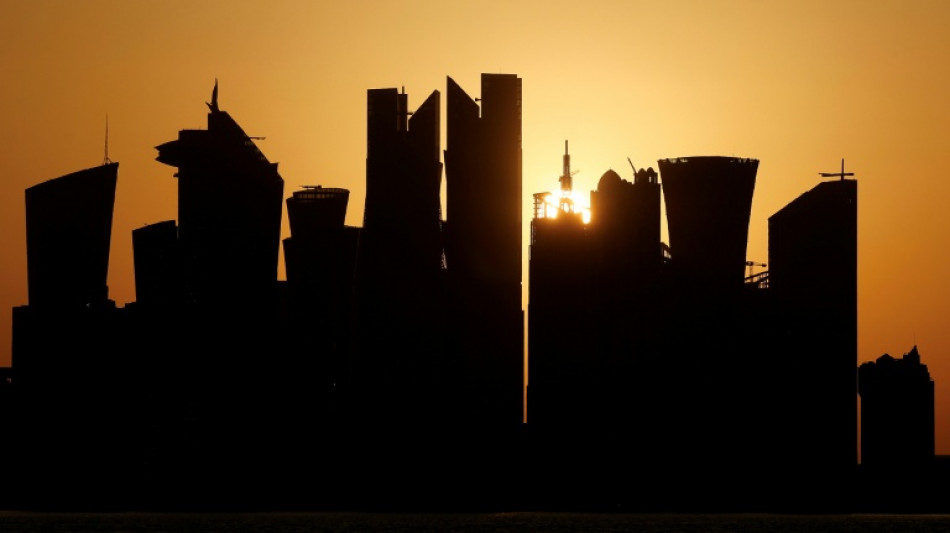
Next indirect US-Iran talks after Khamenei funeral: mediators / Photo: © AFP

 London
 19 °C
19 °C
 Manchester
15 °C
Manchester
15 °C
 Glasgow
 18 °C
18 °C
 Dublin
14 °C
Dublin
14 °C
 Belfast
14 °C
Belfast
14 °C
 Washington
 28 °C
28 °C
 Denver
21 °C
Denver
21 °C
 Atlanta
 25 °C
25 °C
 Dallas
28 °C
Dallas
28 °C
 Houston Texas
28 °C
Houston Texas
28 °C
 New Orleans
27 °C
New Orleans
27 °C
 El Paso
26 °C
El Paso
26 °C
 Phoenix
29 °C
Phoenix
29 °C
 Los Angeles
17 °C
San Diego
Los Angeles
17 °C
San Diego
 17 °C
San Francisco
13 °C
Chicago
29 °C
Minneapolis
22 °C
Seattle
14 °C
Portland
14 °C
Salt Lake City
19 °C
Las Vegas
27 °C
Miami
17 °C
San Francisco
13 °C
Chicago
29 °C
Minneapolis
22 °C
Seattle
14 °C
Portland
14 °C
Salt Lake City
19 °C
Las Vegas
27 °C
Miami
 27 °C
Jacksonville
23 °C
San Antonio
26 °C
Bermuda
24 °C
Nassau
24 °C
Iqaluit
5 °C
Yellowknife
22 °C
Anchorage
27 °C
Jacksonville
23 °C
San Antonio
26 °C
Bermuda
24 °C
Nassau
24 °C
Iqaluit
5 °C
Yellowknife
22 °C
Anchorage
 14 °C
Fairbanks
17 °C
Barrow
0 °C
Calgary
13 °C
Edmonton
24 °C
Winnipeg
17 °C
Goose Bay
21 °C
Halifax
24 °C
Boston
26 °C
Ottawa
21 °C
Toronto
24 °C
Detroit
27 °C
Cleveland
27 °C
New York
29 °C
Baltimore
27 °C
Philadelphia
27 °C
Nuuk (Godthåb)
2 °C
Hong Kong
32 °C
Singapore
29 °C
Melbourne
26 °C
Canberra
14 °C
Fairbanks
17 °C
Barrow
0 °C
Calgary
13 °C
Edmonton
24 °C
Winnipeg
17 °C
Goose Bay
21 °C
Halifax
24 °C
Boston
26 °C
Ottawa
21 °C
Toronto
24 °C
Detroit
27 °C
Cleveland
27 °C
New York
29 °C
Baltimore
27 °C
Philadelphia
27 °C
Nuuk (Godthåb)
2 °C
Hong Kong
32 °C
Singapore
29 °C
Melbourne
26 °C
Canberra
 12 °C
Adelaide
13 °C
Darwin
27 °C
Perth
16 °C
Fort Worth
28 °C
Honolulu
25 °C
Sydney
20 °C
Johannesburg
11 °C
Dubai
34 °C
Mumbai
12 °C
Adelaide
13 °C
Darwin
27 °C
Perth
16 °C
Fort Worth
28 °C
Honolulu
25 °C
Sydney
20 °C
Johannesburg
11 °C
Dubai
34 °C
Mumbai
 28 °C
Zürich
19 °C
Tokyo
22 °C
Seoul
29 °C
Delhi
38 °C
Beijing
36 °C
Riyadh
39 °C
Prague
20 °C
Pennsylvania
26 °C
Valletta
29 °C
Manama
34 °C
Warsaw
20 °C
Stockholm
20 °C
28 °C
Zürich
19 °C
Tokyo
22 °C
Seoul
29 °C
Delhi
38 °C
Beijing
36 °C
Riyadh
39 °C
Prague
20 °C
Pennsylvania
26 °C
Valletta
29 °C
Manama
34 °C
Warsaw
20 °C
Stockholm
20 °C
The next indirect US-Iran talks will come after the late Iranian supreme leader's funeral, mediators said Thursday, as diplomacy inches ahead on ending the Middle East war.
Following the foes' indirect discussions in Doha on Wednesday, US President Donald Trump as well as mediators Qatar and Pakistan offered signs that diplomacy was holding, despite exchanges of fire this week.
An interim deal was agreed to reopen the vital Strait of Hormuz and end hostilities, but major questions still need to be tackled in talks, including Iran's nuclear programme.
"Qatari and Pakistani mediators concluded separate meetings with the US and Iranian negotiators in Doha (Wednesday), with positive progress made," Pakistan said Thursday.
Islamabad added the sides agreed to keep talking, "with the next meeting to be set at the earliest possible time following the funeral processions of the former Iranian Supreme Leader."
Ayatollah Ali Khamenei was killed aged 86 at his compound in the centre of the Iranian capital on February 28, the first day of the war. Power was swiftly passed to his son Mojtaba.
Ali Khamenei's public funeral will begin on Saturday, with his body lying in state at the colossal complex in central Tehran that hosts major Friday prayers, official ceremonies and religious gatherings.
His burial will take place on July 9 at the shrine of Imam Reza in the northeastern city of Mashhad, his birthplace.
Iran's Deputy Foreign Minister Kazem Gharibabadi, who led Tehran's delegation, said Wednesday' talks had concluded with an agreement to establish a communications channel by Thursday to report and record alleged violations of the memorandum.
Iran had insisted there would be no direct negotiations with the United States in Doha.
Trump told reporters Wednesday before boarding Air Force One: "As far as things are going, the denuclearization of Iran is moving along well."
"We hit them very hard... but we're getting along very well," he added.
- Lines of contact -
The Qatar discussions, held at a lower level and focused on implementing the memorandum, were meant to "build on the progress made at the Lake Lucerne Summit", a diplomat told AFP on condition of anonymity.
Tehran rejected Trump's earlier suggestion that the talks would be direct, with foreign ministry spokesman Esmaeil Baqaei saying Iran had "no plans for negotiations with the American side at any level over the coming days".
Gharibabadi said discussions also covered frozen Iranian assets, whose release Tehran has demanded as part of any settlement.
He said officials reviewed the use of part of an initial $6 billion and agreed that goods needed by Iran would be purchased and made available.
US envoys Jared Kushner and Steve Witkoff were not taking part in the technical talks, the diplomat said, after meeting Qatar's Prime Minister Sheikh Mohammed bin Abdulrahman Al Thani on Tuesday.
On Wednesday, the office of Qatar's emir said Kushner and Witkoff had also met ruler Sheikh Tamim bin Hamad Al Thani.
- Hormuz 'under Iran' -
Since the US-Iran deal was signed last month, the sides have exchanged fire in the Gulf.
Tehran targeted a commercial ship it said had strayed from its approved route through the Strait of Hormuz, and US Central Command (CENTCOM) responded by saying it had struck 10 Iranian military targets.
Iran then hit US bases in Kuwait and Bahrain, drawing condemnation from both Gulf states.
CENTCOM said Wednesday it led a regional security dialogue hosted by Bahrain, held with defence leaders from 12 nations, mostly from the Gulf.
"Leaders underscored their shared commitment to the free flow of commerce through the Strait of Hormuz," CENTCOM said on X.
Gharibabadi responded on Thursday, saying the strait "is defined under Iran's command, not CENTCOM".
"A military summit in Bahrain cannot establish legal order and security for the Persian Gulf," is said.
"The region's security will be ensured through the end of interventions and the U.S. withdrawal from the area, respect for countries' sovereignty, and acceptance of new geopolitical realities -- not under the military umbrella of America."
Iran's chief negotiator Mohammad Bagher Ghalibaf said Tuesday that "when a war of this magnitude comes to an end... it is inevitable that there will be implementation challenges, incidents and differences of opinion, especially where parties such as the Israeli regime are concerned".
On the Lebanon front, fighting between Israel and Hezbollah has also been relatively quiet.
Iran-backed Hezbollah drew Lebanon into the wider Middle East war in March with rocket fire at Israel, triggering Israeli airstrikes and a ground invasion.
Tehran has insisted any final deal should include an end to the Lebanon conflict and the withdrawal of Israeli troops from the south, part of which they occupy.
G. Pires--JDB