Israel says killed Iran national security chief Larijani / Photo: © AFP

 London
 22 °C
22 °C

 Manchester
 19 °C
19 °C
 Glasgow
20 °C
Glasgow
20 °C
 Dublin
15 °C
Dublin
15 °C
 Belfast
 14 °C
14 °C
 Washington
 26 °C
26 °C
 Denver
24 °C
Denver
24 °C
 Atlanta
 30 °C
30 °C
 Dallas
37 °C
Dallas
37 °C
 Houston Texas
34 °C
Houston Texas
34 °C
 New Orleans
33 °C
New Orleans
33 °C
 El Paso
39 °C
El Paso
39 °C
 Phoenix
43 °C
Phoenix
43 °C
 Los Angeles
29 °C
San Diego
26 °C
San Francisco
19 °C
Chicago
25 °C
Minneapolis
33 °C
Seattle
23 °C
Portland
28 °C
Salt Lake City
33 °C
Las Vegas
43 °C
Miami
Los Angeles
29 °C
San Diego
26 °C
San Francisco
19 °C
Chicago
25 °C
Minneapolis
33 °C
Seattle
23 °C
Portland
28 °C
Salt Lake City
33 °C
Las Vegas
43 °C
Miami
 32 °C
Jacksonville
31 °C
San Antonio
32 °C
Jacksonville
31 °C
San Antonio
 36 °C
Bermuda
27 °C
Nassau
25 °C
Iqaluit
5 °C
Yellowknife
23 °C
Anchorage
19 °C
Fairbanks
18 °C
Barrow
2 °C
Calgary
27 °C
Edmonton
25 °C
Winnipeg
35 °C
Goose Bay
21 °C
Halifax
20 °C
Boston
19 °C
Ottawa
21 °C
Toronto
24 °C
Detroit
26 °C
Cleveland
23 °C
New York
26 °C
Baltimore
25 °C
Philadelphia
25 °C
Nuuk (Godthåb)
7 °C
Hong Kong
28 °C
Singapore
29 °C
Melbourne
30 °C
Canberra
5 °C
Adelaide
10 °C
Darwin
23 °C
Perth
11 °C
Fort Worth
36 °C
Honolulu
29 °C
Sydney
13 °C
Johannesburg
36 °C
Bermuda
27 °C
Nassau
25 °C
Iqaluit
5 °C
Yellowknife
23 °C
Anchorage
19 °C
Fairbanks
18 °C
Barrow
2 °C
Calgary
27 °C
Edmonton
25 °C
Winnipeg
35 °C
Goose Bay
21 °C
Halifax
20 °C
Boston
19 °C
Ottawa
21 °C
Toronto
24 °C
Detroit
26 °C
Cleveland
23 °C
New York
26 °C
Baltimore
25 °C
Philadelphia
25 °C
Nuuk (Godthåb)
7 °C
Hong Kong
28 °C
Singapore
29 °C
Melbourne
30 °C
Canberra
5 °C
Adelaide
10 °C
Darwin
23 °C
Perth
11 °C
Fort Worth
36 °C
Honolulu
29 °C
Sydney
13 °C
Johannesburg
 9 °C
Dubai
33 °C
Mumbai
9 °C
Dubai
33 °C
Mumbai
 28 °C
Zürich
21 °C
Tokyo
32 °C
Seoul
28 °C
Delhi
31 °C
Beijing
29 °C
Riyadh
32 °C
Prague
22 °C
Pennsylvania
23 °C
Valletta
27 °C
Manama
34 °C
Warsaw
18 °C
Stockholm
16 °C
28 °C
Zürich
21 °C
Tokyo
32 °C
Seoul
28 °C
Delhi
31 °C
Beijing
29 °C
Riyadh
32 °C
Prague
22 °C
Pennsylvania
23 °C
Valletta
27 °C
Manama
34 °C
Warsaw
18 °C
Stockholm
16 °C
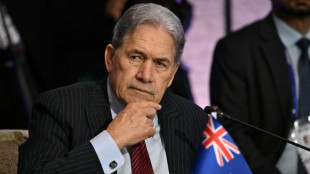
Israel said Tuesday it had killed Iran's powerful national security chief, Ali Larijani, in what would be a huge blow to the Islamic republic as fresh strikes rocked the Middle East from Tehran to Baghdad.
Israeli Defence Minister Israel Katz said Larijani was "eliminated last night", although this has not been confirmed by Iran.
Earlier Tuesday, Israel's military said Gholamreza Soleimani, head of the Basij paramilitary force of Iran's Revolutionary Guards, was killed Monday in a strike on Tehran.
Reports of their deaths come less than three weeks after US-Israeli strikes on February 28 killed Ayatollah Ali Khamenei, Iran's supreme leader since 1989, triggering a war that has engulfed the region.
He was replaced by his son, Mojtaba Khamenei, whose whereabouts and health is the subject of much speculation. US President Donald Trump said Monday that "we don't know... if he's dead or not".
Hundreds of people have been killed and millions have been displaced because of the war, notably in Lebanon and Iran.
The conflict has also sent oil prices soaring, after Iran's attacks on vessels transiting through the Strait of Hormuz, a waterway that is key to the transit of crude and liquefied natural gas.
Oil prices rose more than five percent early Tuesday after several countries pushed back on Trump's demand they help protect shipping.
- Armada to Hormuz -
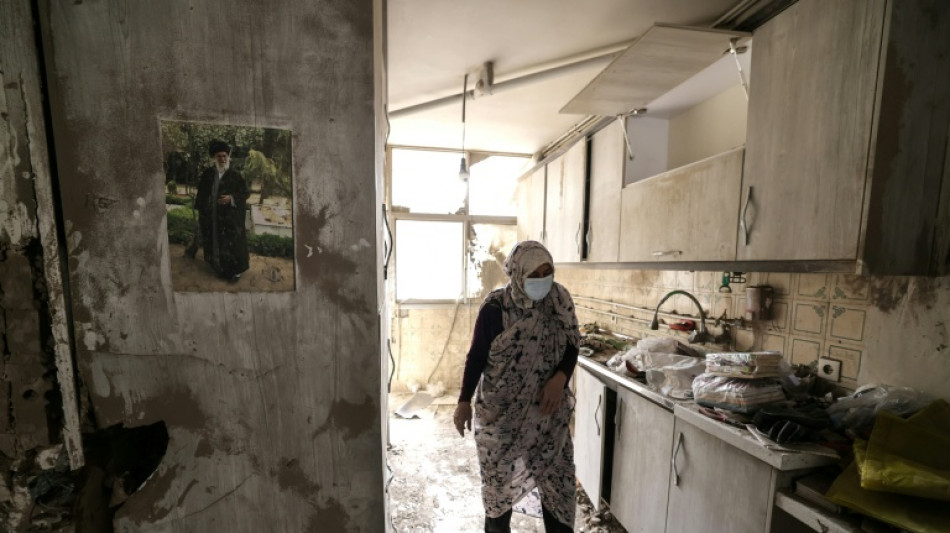
An AFP reporter had earlier Tuesday reported blasts in Tehran, after a night of heavy bombardment mixed with thunder and rain.
Israel's army said it had launched a wave of strikes "against Iranian terror regime infrastructure across Tehran", as well as strikes in Lebanon.
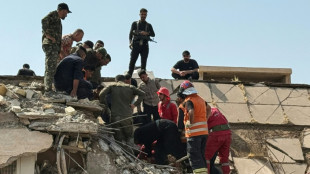
Lebanese state media reported Israeli strikes at dawn hit a residential building in Beirut's southern suburbs, a stronghold of the Iran-backed armed group Hezbollah.
An AFP photographer saw firefighters tackling a blaze at the site of a strike, while rubble and debris were strewn across the road.
In retaliation for the US-Israel attacks, Iran has targeted US interests, energy facilities and civilian infrastructure of its energy-rich neighbours.
Its threats and attacks on tankers transiting the Strait of Hormuz, through which a fifth of global crude oil passes, have also all but closed the Strait of Hormuz.
Trump has called on world powers to help and on Monday demanded US allies join quickly and with "great enthusiasm" an armada to escort tankers through the strait.
He has warned that it would be "very bad" for the future of the NATO military alliance if the allies refused to help.
British Prime Minister Keir Starmer said London was working with allies to craft a "viable" plan to reopen the strait, but ruled out a NATO mission.
Berlin also said it "has been clear at all times that this war is not a matter for NATO".
EU foreign ministers meeting Monday showed "no appetite" for extending their Red Sea naval mission to help reopen Hormuz, the bloc's top diplomat said.
Analysts said it was not surprising that America's partners were unenthusiastic about joining a war they were not consulted on, after a year of tensions with Washington on everything from tariffs to Greenland.
The United States had "launched a war without consulting allies, expecting them to mop up the mess, and that's not going fly", said Erwan Lagadec of George Washington University's Elliott School of International Affairs.
- Defiant tone -
Trump on Monday admitted he was "shocked" at Iran's response to the US-Israel attacks.
"They weren't supposed to go after all these other countries in the Middle East. Those missiles were set to go after them," he said.
"So, they hit Qatar, Saudi Arabia, UAE, Bahrain, Kuwait. Nobody expected that. We were shocked."
The Gulf has borne the brunt of Iran's attacks in response to US-Israeli strikes, with Tehran targeting US assets but also civilian infrastructure.
Falling debris from a missile intercept killed one person on Tuesday in the Emirati capital of Abu Dhabi.
More than 1,200 Iranians have been killed by US and Israeli strikes, according to the last toll from Iran's health ministry on March 8, which could not be independently verified.
- Iraq drawn in -
Western allies Canada, France, Germany, Italy and the United Kingdom also urged Israel to show restraint in Lebanon, where it has announced "limited" ground operations against Hezbollah.
But Israel's President Isaac Herzog told AFP that Europe should support "any effort to eradicate Hezbollah now".
Authorities in Lebanon have said more than one million people have registered as displaced since March 2, with more than 130,000 people staying in upwards of 600 collective shelters.
Lebanon was drawn into the war when Tehran-backed Hezbollah militants struck Israel over Khamenei's killing.
Iraq, long a proxy battleground between the United States and Iran, has also been drawn in.
A drone and rocket attack targeted the US embassy in Baghdad early Tuesday, while a strike killed four people at a house reportedly hosting Iranian advisors, security officials said.
An AFP journalist reported seeing black smoke rising after an explosion in the embassy complex, as well as air defences intercepting another drone.
burs-ar/ser
A. de Almeida--JDB