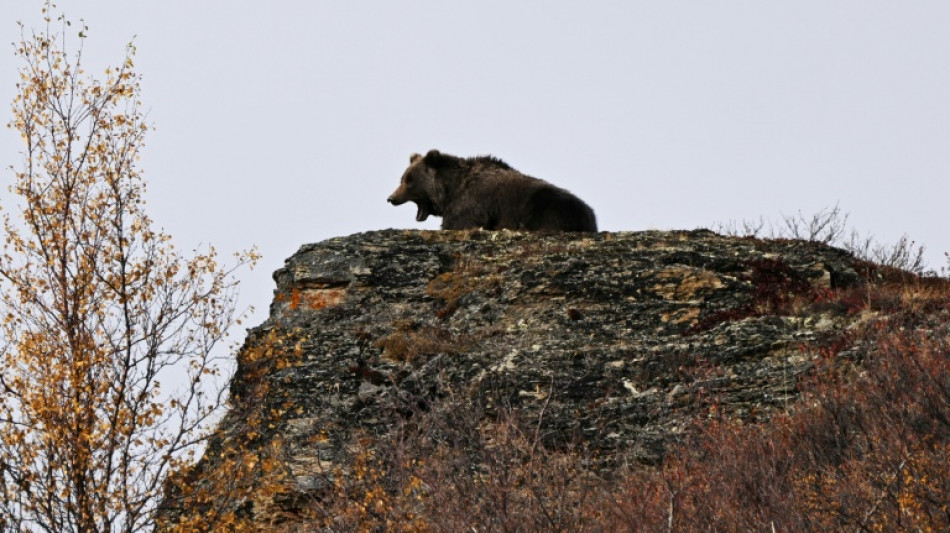
Green groups sue to block Trump rule gutting species habitat protections / Photo: © AFP/File

 London
 22 °C
22 °C
 Manchester
 21 °C
21 °C
 Glasgow
20 °C
Glasgow
20 °C
 Dublin
18 °C
Dublin
18 °C
 Belfast
18 °C
Belfast
18 °C
 Washington
23 °C
Washington
23 °C
 Denver
19 °C
Denver
19 °C
 Atlanta
 22 °C
22 °C
 Dallas
 27 °C
27 °C
 Houston Texas
 26 °C
26 °C
 New Orleans
 27 °C
27 °C
 El Paso
25 °C
El Paso
25 °C
 Phoenix
30 °C
Phoenix
30 °C
 Los Angeles
22 °C
San Diego
23 °C
San Francisco
14 °C
Chicago
Los Angeles
22 °C
San Diego
23 °C
San Francisco
14 °C
Chicago
 22 °C
Minneapolis
20 °C
Seattle
13 °C
Portland
11 °C
Salt Lake City
22 °C
Minneapolis
20 °C
Seattle
13 °C
Portland
11 °C
Salt Lake City
 17 °C
Las Vegas
31 °C
Miami
28 °C
Jacksonville
24 °C
San Antonio
26 °C
Bermuda
29 °C
Nassau
19 °C
Iqaluit
7 °C
Yellowknife
12 °C
Anchorage
9 °C
Fairbanks
7 °C
Barrow
4 °C
Calgary
11 °C
Edmonton
21 °C
Winnipeg
19 °C
Goose Bay
18 °C
Halifax
15 °C
Boston
18 °C
Ottawa
16 °C
Toronto
19 °C
Detroit
21 °C
Cleveland
21 °C
New York
19 °C
Baltimore
21 °C
Philadelphia
18 °C
Nuuk (Godthåb)
4 °C
Hong Kong
28 °C
Singapore
31 °C
Melbourne
25 °C
Canberra
9 °C
Adelaide
13 °C
Darwin
26 °C
Perth
18 °C
Fort Worth
27 °C
Honolulu
25 °C
Sydney
13 °C
Johannesburg
22 °C
Dubai
42 °C
Mumbai
30 °C
Zürich
26 °C
Tokyo
25 °C
Seoul
26 °C
Delhi
35 °C
Beijing
25 °C
Riyadh
17 °C
Las Vegas
31 °C
Miami
28 °C
Jacksonville
24 °C
San Antonio
26 °C
Bermuda
29 °C
Nassau
19 °C
Iqaluit
7 °C
Yellowknife
12 °C
Anchorage
9 °C
Fairbanks
7 °C
Barrow
4 °C
Calgary
11 °C
Edmonton
21 °C
Winnipeg
19 °C
Goose Bay
18 °C
Halifax
15 °C
Boston
18 °C
Ottawa
16 °C
Toronto
19 °C
Detroit
21 °C
Cleveland
21 °C
New York
19 °C
Baltimore
21 °C
Philadelphia
18 °C
Nuuk (Godthåb)
4 °C
Hong Kong
28 °C
Singapore
31 °C
Melbourne
25 °C
Canberra
9 °C
Adelaide
13 °C
Darwin
26 °C
Perth
18 °C
Fort Worth
27 °C
Honolulu
25 °C
Sydney
13 °C
Johannesburg
22 °C
Dubai
42 °C
Mumbai
30 °C
Zürich
26 °C
Tokyo
25 °C
Seoul
26 °C
Delhi
35 °C
Beijing
25 °C
Riyadh
 45 °C
Prague
26 °C
Pennsylvania
18 °C
Valletta
36 °C
Manama
40 °C
Warsaw
26 °C
Stockholm
20 °C
45 °C
Prague
26 °C
Pennsylvania
18 °C
Valletta
36 °C
Manama
40 °C
Warsaw
26 °C
Stockholm
20 °C
Conservation groups sued US President Donald Trump's administration Tuesday, accusing it of gutting a core protection in the Endangered Species Act by excluding habitat destruction from the legal definition of "harm" to vulnerable plants and animals.
The Interior Department finalized the changes to its regulations last week, overturning five decades of precedent in how the law is interpreted.
The Trump administration has argued that actions that directly injure or kill plants and animals will continue to be prohibited, but said the prior definition of "harm" was overly broad and interfered with private property rights.
In their complaint, filed in federal court in Washington state, groups including the Center for Biological Diversity and the Sierra Club argued the government had blatantly violated "common sense, biological science, and federal law."
"When a dam blocks stream passage, threatened and endangered salmon suffer; when forests with nesting trees for marbled murrelets are logged, threatened murrelets slide closer to extinction," the complaint said.
"Destruction and degradation of habitat kills threatened and endangered species just as surely as shooting them."
In an accompanying statement, the groups argued the rule changes could immediately harm wildlife including Florida manatees, grizzly bears, salmon and steelhead fish, bird species like rufa red knots and golden-cheeked warblers, and insect pollinators.
"Claiming that the Endangered Species Act does not protect the habitat of endangered species is beyond stupid, even for the Trump administration," said Miles Johnson, legal director for Columbia Riverkeeper.
The landmark Endangered Species Act -- passed in 1973 and credited with saving the bald eagle, the American alligator and other iconic species -- prohibits "taking" endangered species.
The law defines "take" to mean "harass, harm, pursue, hunt, shoot, wound, kill, trap, capture, or collect, or to attempt to engage in any such conduct."
In implementing the law, the government further defined "harm" to include "significant habitat modification or degradation where it actually kills or injures wildlife by significantly impairing essential behavioral patterns, including breeding, feeding or sheltering."
That definition stood for decades, notably surviving a 1995 Supreme Court case focused on the protection of old-growth forests for spotted owls.
In proposing the revision last year, the Trump administration cited a 2024 ruling by the conservative-tilted Supreme Court that overrode the longstanding "Chevron doctrine," which empowered federal agencies to interpret ambiguous statutes.
As a result, the government contends it is now required to "follow the single best meaning of a statute rather than contorting laws to fit political agenda."
The rule repeal is part of a broader package of measures curbing the Endangered Species Act.
Last November, the government proposed allowing "economic considerations" in decisions about whether to protect species at risk of extinction.
The Trump administration has also exempted oil and gas industries operating in the Gulf of Mexico from complying with the act.
And on Monday, the government announced it was shrinking two vast stretches of protected land in Utah by more than 90 percent each.
M. dos Santos--JDB