Honda Recalls Over 16,000 S2000 Roadsters in U.S. for Fuel Leak Risk

 London
 6 °C

 Manchester
7 °C
 Glasgow
 2 °C
 Dublin
8 °C
 Belfast
 10 °C
 Washington
 5 °C
 Denver
 -3 °C
 Atlanta
8 °C
 Dallas
6 °C
 Houston Texas
12 °C
 New Orleans
 14 °C
 El Paso
 5 °C
 Phoenix
11 °C
 Los Angeles
14 °C
San Diego
12 °C
San Francisco
9 °C
Chicago
-2 °C
Minneapolis
-8 °C
Seattle
 7 °C
Portland
8 °C
Salt Lake City
1 °C
Las Vegas
8 °C
Miami
20 °C
Jacksonville
17 °C
San Antonio
10 °C
Bermuda
23 °C
Nassau
6 °C
Iqaluit
 -15 °C
Yellowknife
-6 °C
Anchorage
-9 °C
Fairbanks
-21 °C
Barrow
-9 °C
Calgary
-8 °C
Edmonton
0 °C
Winnipeg
-10 °C
Goose Bay
-1 °C
Halifax
4 °C
Boston
4 °C
Ottawa
-3 °C
Toronto
-1 °C
Detroit
-2 °C
Cleveland
2 °C
New York
6 °C
Baltimore
5 °C
Philadelphia
5 °C
Nuuk (Godthåb)
-8 °C
Hong Kong
19 °C
Singapore
27 °C
Melbourne
17 °C
Canberra
12 °C
Adelaide
16 °C
Darwin
30 °C
Perth
18 °C
Fort Worth
6 °C
Honolulu
22 °C
Sydney
16 °C
Johannesburg
 27 °C
Dubai
31 °C
Mumbai
33 °C
Zürich
4 °C
Tokyo
12 °C
Seoul
-3 °C
Delhi
26 °C
Beijing
-2 °C
Riyadh
28 °C
Prague
2 °C
Pennsylvania
3 °C
Valletta
 20 °C
Manama
28 °C
Warsaw
3 °C
Stockholm
1 °C
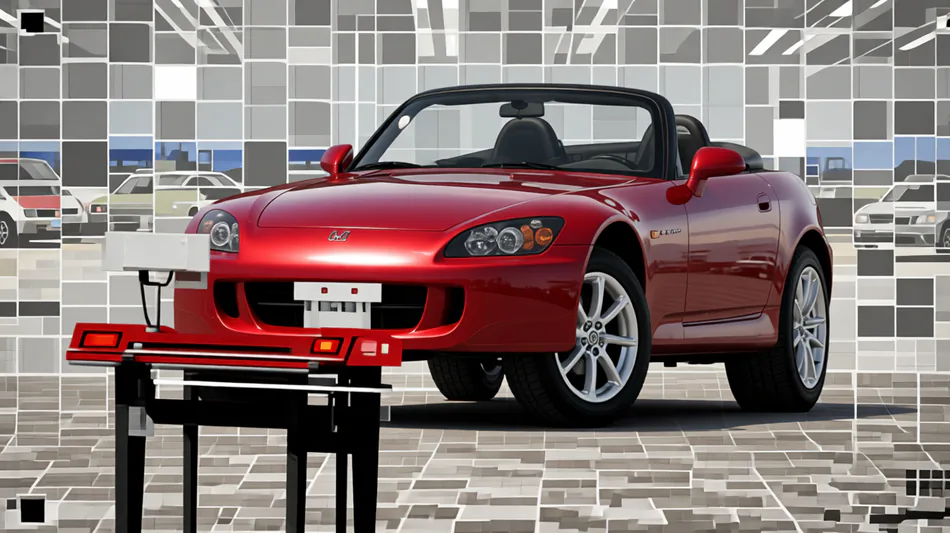
Honda is recalling approximately 16,387 S2000 roadsters in the United States manufactured during the 2004 and 2005 model years. The safety campaign addresses a suspected defect in the fuel system that may allow gasoline to leak from the vehicle.
Honda has initiated a safety recall in the United States affecting more than 16,000 examples of its S2000 roadster due to a suspected defect in the fuel system. The campaign covers approximately 16,387 vehicles from model years 2004 and 2005.
The recall targets cars built over two decades ago, a timeframe that is unusual for modern automotive safety campaigns, which typically focus on vehicles from the past decade. Honda stated that while the recall encompasses thousands of units, the automaker estimates the defect will affect less than half of one percent of the total affected population.
According to the manufacturer, up to 67 replacement fuel flange joints may have been produced without the necessary brazing material at the joint-to-flange connection. This manufacturing error could allow the press-fit connection to loosen and separate over time.
Honda warned that a separated fuel flange could lead to fuel-pressure issues. These pressure problems may negatively impact vehicle acceleration, cause the engine to stall while driving, or prevent the vehicle from restarting entirely. In severe cases, the separation could result in gasoline leaking from the car.
The remedy for affected owners involves an inspection of the fuel flange by a Honda dealer. If the inspection confirms that the part is defective, the dealer will replace the fuel flange joint at no cost to the owner.
The S2000 entered its AP2 generation in the 2004 model year. This refresh featured a 237-horsepower 2.2-liter F22C1 four-cylinder engine paired with a six-speed manual transmission. More than 20,000 examples of the S2000 were built across the 2004 and 2005 model years, suggesting that this recall covers a significant majority of the production run for those specific years.
While the U.S. National Highway Traffic Safety Administration oversees this safety campaign, Transport Canada has not yet posted a counterpart recall. Consequently, it remains unclear how many S2000s in Canada are affected by this specific fuel system issue.
This is not the first time the S2000 has been subject to a safety recall in recent years. The most recent previous recall in Canada occurred in 2013, which identified approximately 779 units from model years 2006 and 2007 as potentially having improperly manufactured brake boosters.
C. Marques--JDB