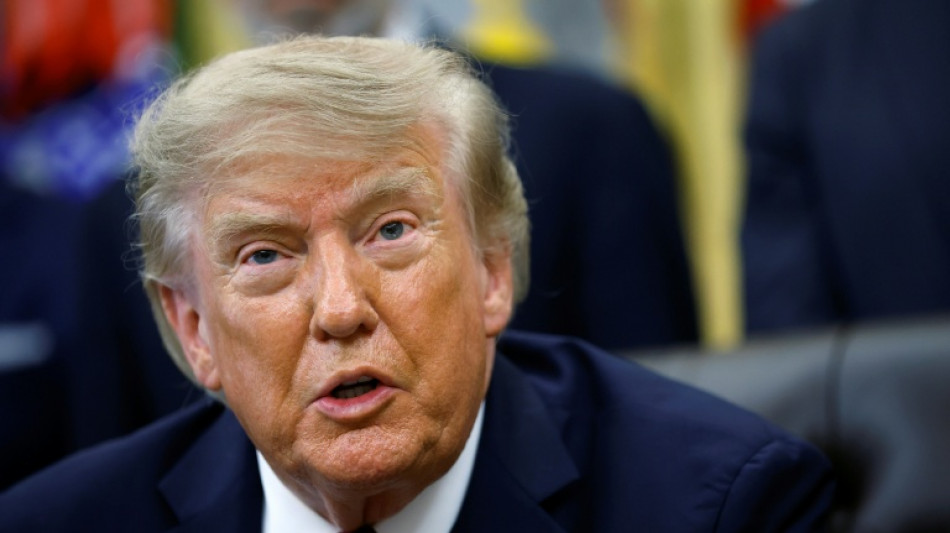
US strikes Iran in latest tit-for-tat attacks / Photo: © GETTY IMAGES NORTH AMERICA/AFP

 London
 20 °C
20 °C

 Manchester
18 °C
Manchester
18 °C
 Glasgow
 17 °C
17 °C
 Dublin
18 °C
Dublin
18 °C
 Belfast
16 °C
Belfast
16 °C
 Washington
 35 °C
35 °C
 Denver
29 °C
Denver
29 °C
 Atlanta
 35 °C
35 °C
 Dallas
 37 °C
37 °C
 Houston Texas
31 °C
Houston Texas
31 °C
 New Orleans
31 °C
New Orleans
31 °C
 El Paso
32 °C
El Paso
32 °C
 Phoenix
35 °C
Phoenix
35 °C
 Los Angeles
27 °C
San Diego
27 °C
San Francisco
20 °C
Chicago
35 °C
Minneapolis
32 °C
Seattle
20 °C
Portland
19 °C
Salt Lake City
25 °C
Las Vegas
34 °C
Miami
31 °C
Jacksonville
32 °C
San Antonio
36 °C
Bermuda
28 °C
Nassau
26 °C
Iqaluit
16 °C
Yellowknife
19 °C
Anchorage
9 °C
Fairbanks
7 °C
Barrow
1 °C
Calgary
24 °C
Edmonton
36 °C
Winnipeg
21 °C
Goose Bay
23 °C
Halifax
18 °C
Boston
Los Angeles
27 °C
San Diego
27 °C
San Francisco
20 °C
Chicago
35 °C
Minneapolis
32 °C
Seattle
20 °C
Portland
19 °C
Salt Lake City
25 °C
Las Vegas
34 °C
Miami
31 °C
Jacksonville
32 °C
San Antonio
36 °C
Bermuda
28 °C
Nassau
26 °C
Iqaluit
16 °C
Yellowknife
19 °C
Anchorage
9 °C
Fairbanks
7 °C
Barrow
1 °C
Calgary
24 °C
Edmonton
36 °C
Winnipeg
21 °C
Goose Bay
23 °C
Halifax
18 °C
Boston
 18 °C
Ottawa
25 °C
Toronto
24 °C
Detroit
33 °C
Cleveland
32 °C
New York
28 °C
Baltimore
35 °C
Philadelphia
33 °C
Nuuk (Godthåb)
11 °C
Hong Kong
26 °C
Singapore
18 °C
Ottawa
25 °C
Toronto
24 °C
Detroit
33 °C
Cleveland
32 °C
New York
28 °C
Baltimore
35 °C
Philadelphia
33 °C
Nuuk (Godthåb)
11 °C
Hong Kong
26 °C
Singapore
 28 °C
Melbourne
31 °C
Canberra
12 °C
Adelaide
28 °C
Melbourne
31 °C
Canberra
12 °C
Adelaide
 13 °C
Darwin
23 °C
Perth
12 °C
Fort Worth
37 °C
Honolulu
27 °C
Sydney
13 °C
Darwin
23 °C
Perth
12 °C
Fort Worth
37 °C
Honolulu
27 °C
Sydney
 18 °C
Johannesburg
14 °C
Dubai
36 °C
Mumbai
28 °C
Zürich
19 °C
Tokyo
25 °C
Seoul
22 °C
Delhi
27 °C
Beijing
16 °C
Riyadh
36 °C
Prague
18 °C
Pennsylvania
33 °C
Valletta
29 °C
Manama
36 °C
Warsaw
16 °C
Stockholm
16 °C
18 °C
Johannesburg
14 °C
Dubai
36 °C
Mumbai
28 °C
Zürich
19 °C
Tokyo
25 °C
Seoul
22 °C
Delhi
27 °C
Beijing
16 °C
Riyadh
36 °C
Prague
18 °C
Pennsylvania
33 °C
Valletta
29 °C
Manama
36 °C
Warsaw
16 °C
Stockholm
16 °C
US forces struck Iran's Revolutionary Guards on Tuesday in response to attempted attacks on commercial shipping and American troops, the US military said, with President Donald Trump vowing a tough response to any counter-attacks.
The strikes were the latest in a series of attacks by both US and Iranian forces in recent days that threaten to reignite the simmering conflict.
Iranian state television reported that several explosions were heard in the country's south along the strategic Strait of Hormuz waterway.
The official IRNA news agency said that "four projectiles had hit areas within the counties of Chabahar and Konarak," without specifying whether there was any damage.
US Central Command (CENTCOM) said on X that the strikes followed "recent attempted attacks by (the Guards) against commercial shipping in the Strait of Hormuz and against American service members deployed to the region."
Trump said the "large and powerful" strikes were "in retaliation for the Iranians' failed attempt at adding sea mines to the Strait" and "the Iranians shooting eight missiles, all successfully knocked down, at our Military Base in Jordan."
"If the failed Nation of Iran retaliates for this very justified attack, they will be hit again at a much harder and higher level," he said in a post on his Truth Social platform.
Revolutionary Guards spokesman Hossein Mohebi warned on X that Washington "will regret its new attacks," saying that "severe punishment awaits the aggressors."
- Tankers attacked -
After six months of war, the foes remain at an impasse, with Iran keeping the Strait of Hormuz closed and the United States persisting with a counter-blockade of Iranian ports.
On Sunday, the United States carried out its first known strikes on Iran in several weeks, hitting an Iranian island in the Strait of Hormuz.
Washington said its forces attacked Iranian launchers on the island of Larak to prevent Tehran planting mines in the key shipping lane.
Iran responded with missile and drone attacks aimed at Jordan and the United Arab Emirates, saying they targeted US forces there.
The Middle East war began in late February with the US and Israeli attacks on Iran that killed its former supreme leader Ayatollah Ali Khamenei.
Attacks on commercial ships in the Strait of Hormuz, which was free to transit before the war, previously led to the collapse of a ceasefire between the United States and Iran.
Greek maritime risk management firm Marisks said Tuesday that two crude tankers were hit by "unknown projectiles" late the previous day.
One of the incidents had been publicized earlier by the United Kingdom Maritime Trade Operations agency, which added that no casualties or environmental effects had been reported.
Iran's President Masoud Pezeshkian meanwhile vowed Tuesday to match any US move to return to a deal aimed at ending the war.
He also warned that a return by the United States to "a policy of pressure and threats could derail the path of diplomacy."
S. Aparecido--JDB